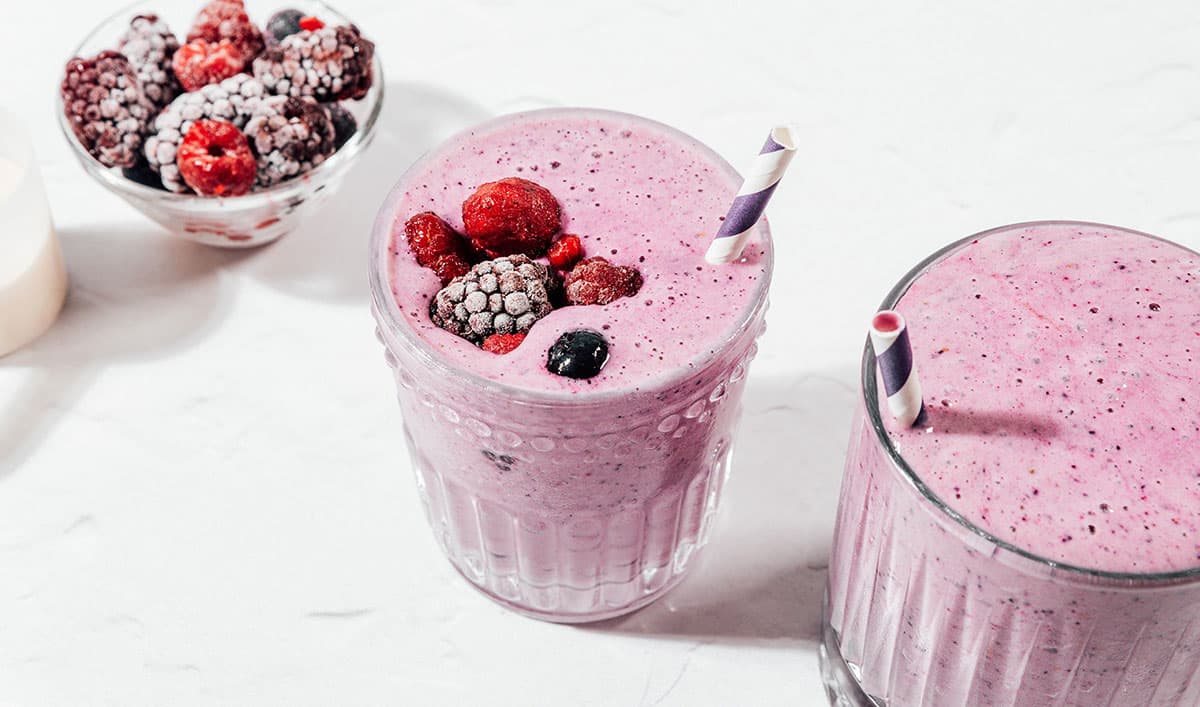
Craft Your Own Healthy Protein Smoothies: No Added Sugar, Max Flavor
Are you chasing that perfect blend of nutrition and taste? Many of us grab a pre-made smoothie from the grocery store or a local shop, believing we're making a healthy choice. The truth, however, can be a little less sweet. Often, the deliciousness of these convenient options comes at a cost: an unwelcome dose of added sugars that can undermine your health goals.
The good news? At their core, healthy protein smoothies are an incredibly effective and enjoyable way to infuse your diet with essential nutrients. They’re powerhouses for muscle-building protein, stomach-filling fiber, and a convenient vehicle for the daily fruits and vegetables critical for warding off various diseases. The secret lies in taking control of your ingredients. This article will guide you through crafting your own truly healthy protein smoothies, bursting with flavor and completely free from added sugars, all from the comfort of your kitchen.
The Sweet Secret Behind "Healthy" Store-Bought Smoothies (and Why You Should Care)
That irresistible taste in many commercial smoothies isn't just from ripe fruit; it's often significantly enhanced by added sugars, hidden under various names like fruit juice concentrate, agave, or even just plain sugar. While fruit contains natural sugars, consuming excessive amounts of added sugars, even in a "healthy" context, can lead to energy crashes, contribute to weight gain, and increase your risk for chronic diseases.
When you opt for a DIY approach, you reclaim control. You decide exactly what goes into your glass, ensuring that every ingredient contributes positively to your health. This means you can maximize the benefits of muscle-building protein, fiber-rich produce, and healthy fats without the detrimental impact of unnecessary sweeteners. The result? A genuinely nourishing and delicious beverage that fuels your body efficiently.
Your Blueprint for Delicious, No-Sugar-Added Healthy Protein Smoothies
Creating incredible-tasting, healthy protein smoothies at home is simpler than you might think. With a little creativity and a few foundational steps, you can whip up concoctions that rival any store-bought alternative – but are infinitely better for you. Get ready to experiment, discover new favorite combinations, and truly enjoy your journey towards better nutrition.
Step 1: Lay a Low-Sugar Liquid Foundation
The base of your smoothie is crucial for both texture and overall sugar content. Aim for liquids that offer little to no added sugar and generally stay under 80 calories per cup. Chilled liquids or adding ice cubes often result in a more refreshing shake. A good starting point is 4 to 12 ounces, adjustable based on your desired thickness.
- Unsweetened Almond or Coconut Milk: Excellent low-calorie, dairy-free options that provide a creamy texture without the added sugar. Choose unsweetened varieties specifically.
- Water: The simplest and purest base, perfect for letting the flavors of your fruits and vegetables shine through. Cost-effective and calorie-free.
- Diluted Tart Cherry Juice: If you're an athlete or looking for anti-inflammatory benefits, a small amount of diluted tart cherry juice can add flavor and a boost of antioxidants, particularly beneficial for post-workout recovery. Just be mindful of natural sugar content and dilute appropriately.
- Green Tea (chilled): An innovative choice for an antioxidant boost. Brew and chill green tea for a unique, slightly earthy base that pairs well with many fruits.
Pro Tip: Always check the nutrition label on plant-based milks to ensure they are truly "unsweetened." Many flavored varieties can pack in significant hidden sugars.
Step 2: Power Up with Nutrient-Dense Produce
This is where your healthy protein smoothies truly come alive with vitamins, minerals, and fiber. Don't shy away from vegetables – they are nutrient powerhouses and can be surprisingly delicious when blended with fruits. If you have a high-powered blender, you can often toss in whole kale or Swiss chard (stalks and all) for maximum fiber. For apples and pears, leave the skin on to amp up nutrients and fiber. A hint of sourness, like the juice of a quarter lemon in a banana-blueberry shake, can also sharpen fruitiness and brighten flavors.
- Vegetables (1 to 2 handfuls of greens; ½ cup to 2 cups other):
- Leafy Greens: Spinach (mild flavor, easily hidden), Kale, Swiss Chard (nutrient-dense, good for powerful blenders).
- Other Veggies: Carrots (sweetness, Vitamin A), Broccoli (surprising addition for nutrients), Beets (vibrant color, earthy notes), Celery, Cucumbers (refreshing).
- Fruits (½ cup to 2 cups):
- Berries: Pitted Cherries, Blueberries, Raspberries (low in sugar, high in antioxidants).
- Tropical: Açai Berry Puree (superfood), Pineapple, Mangoes, Bananas (for creaminess and natural sweetness).
- Pome Fruits: Apples, Pears (good for fiber, leave skin on).
- Citrus: Oranges (Vitamin C), Lemons (for brightness and acidity).
Pro Tip: Freeze your ripe fruits (like bananas, berries, or mangoes) in advance. This eliminates the need for too much ice, resulting in a thicker, creamier smoothie without diluting the flavor.
Step 3: Boost Your Protein Content for Muscle & Satiety
Protein is the cornerstone of any healthy protein smoothie, especially if you're aiming for muscle growth, recovery, or sustained fullness. Aim for at least 30 grams of protein per shake to truly fuel your body effectively. Variety is key here too; stocking different flavors of protein powder or experimenting with dairy can fight tastebud fatigue.
- Protein Powder (1 to 2 scoops, typically 20-40g protein):
- Whey Protein: Fast-digesting, excellent for post-workout recovery. Available in many flavors.
- Casein Protein: Slower-digesting, good for sustained release, often used before bed.
- Plant-Based Proteins: Pea Protein, Brown Rice Protein, Soy Protein, Hemp Protein (great for vegans or those with dairy sensitivities).
- Dairy Options (½ to 1 cup, for added tanginess and probiotics):
- Greek Yogurt: High in protein and probiotics, adds thickness and a pleasant tang. Opt for plain, unsweetened varieties.
- Kefir: A fermented milk drink, rich in probiotics, and thinner than Greek yogurt, offering a slightly tangy liquid base.
- Cottage Cheese: A surprising but effective addition for protein and a creamy texture, especially when blended well.
Pro Tip: Choose protein powders with minimal ingredients and no artificial sweeteners or added sugars. Look for brands that prioritize clean ingredients to keep your smoothie genuinely healthy.
Step 4: Embrace Healthy Fats for Creaminess and Nutrient Absorption
Healthy fats are essential. They play a vital role in helping your body absorb fat-soluble vitamins (A, D, E, K) from your produce, contribute to satiety, and provide a luxurious, creamy consistency to your shakes. If your smoothie turns gloppy after adding fat, simply add a little extra liquid to smooth it out.
- Nuts (¼ cup): Walnuts, Almonds, Cashews, Pistachios (provide healthy fats, fiber, and a slight nutty flavor. Soak harder nuts briefly if your blender isn't super powerful).
- Nut Butters (1 Tbsp): Peanut Butter, Almond Butter, Cashew Butter (rich in flavor and healthy fats. Ensure they are natural, unsweetened varieties).
- Avocado (½ an avocado): A fantastic source of monounsaturated fats, adding incredible creaminess and a wealth of nutrients without significantly altering the flavor.
- Chia Seeds or Flax Seeds (1-2 Tbsp): While technically seeds, they are rich in Omega-3 fatty acids and soluble fiber, thickening the smoothie slightly as they absorb liquid.
Pro Tip: A little goes a long way with fats. Be mindful of portion sizes, as they are calorie-dense, though highly beneficial.
Step 5: Optional Boosters for Flavor and Function
These ingredients are optional, but they can significantly elevate your healthy protein smoothies, adding depth, complexity, and additional health benefits to your go-to combinations. This is where you can truly personalize your drink without adding sugar.
- Spices: Cinnamon (helps regulate blood sugar, adds warmth), Ginger (anti-inflammatory, adds a zesty kick), Turmeric (anti-inflammatory, often paired with a pinch of black pepper for absorption).
- Extracts: Vanilla Extract, Almond Extract, Peppermint Extract (adds intense flavor without calories or sugar).
- Seeds: Chia Seeds, Flax Seeds (mentioned above for fats, but also provide fiber and texture), Hemp Seeds (nutty flavor, protein, and Omega-3s).
- Superfoods: Cacao Nibs (antioxidants, subtle chocolate flavor and crunch), Spirulina or Chlorella (nutrient-dense green powders, can have a strong taste), Maca Powder (energy, hormone balance).
- Citrus Zest: A little lemon or orange zest can add a burst of aromatic oils and brightness to your smoothie.
Blender Power: Your Essential Tool for Smooth Smoothie Success
While any blender can make a smoothie, the quality of your appliance significantly impacts the final texture of your easy, delicious high-protein smoothies at home. A powerful blender, like a high-speed countertop model, can effortlessly pulverize fibrous greens, fruit skins, and nuts, ensuring a velvety-smooth consistency free of chunks. Personal blenders are convenient for single servings and quick clean-up, but might struggle with tougher ingredients.
Investing in a good blender means you can incorporate more whole, nutrient-rich ingredients, making your smoothies even healthier and more enjoyable. Look for blenders with strong motors and durable blades to get the most out of your smoothie creations.
Beyond the Basics: Advanced Tips for Your Healthy Protein Smoothies
Once you've mastered the foundational steps, consider these tips to elevate your smoothie game:
- Meal Prepping: Assemble dry and frozen ingredients into individual freezer bags. When you're ready for a smoothie, just dump the bag's contents into your blender, add liquid, and blend. This saves time on busy mornings.
- Flavor Pairing: Think about classic culinary combinations. Berries and spinach are almost always a winner. Chocolate protein powder pairs well with bananas and peanut butter. Tropical fruits like mango and pineapple often marry well with coconut milk.
- Adjusting for Goals: For weight loss, focus on high protein, high fiber, and moderate healthy fats. For muscle gain, increase protein, carbs (like oats or more fruit), and healthy fats to boost calorie density.
- Hydration Boost: For an extra refreshing kick, consider adding a few slices of cucumber or a sprig of mint.
By understanding the components and how to balance them, you're not just making a drink; you're crafting a personalized nutritional powerhouse tailored precisely to your tastes and health goals. It's time to hit "blend" and enjoy the vibrant, delicious, and genuinely healthy results!
Conclusion
Embracing the world of homemade, no-sugar-added healthy protein smoothies is a game-changer for anyone looking to boost their nutrition, support muscle health, and increase their intake of essential fruits and vegetables. By taking control of your ingredients, you bypass the hidden sugars and artificial additives often found in commercial options, creating a truly beneficial and incredibly tasty beverage. With a little creativity and the simple steps outlined, you have all the tools to blend your way to better health, one delicious, nutrient-packed smoothie at a time. So, grab your blender, get experimenting, and discover the satisfying power of truly healthy protein smoothies.
